
The hardest winter is here
A young mother with her 4-year-old daughter came to us asking for help from our Foodbank.
She explained that she had managed to get her older children off to school with some lunch, but that was the last of the food she had.
She had nothing for her 4-year-old and that was why she was asking. She didn’t even mention herself.
She came to the right place of course and her 4-year-old had a good lunch that day. The family was given food for coming days and a plan to work with the family was put in place.
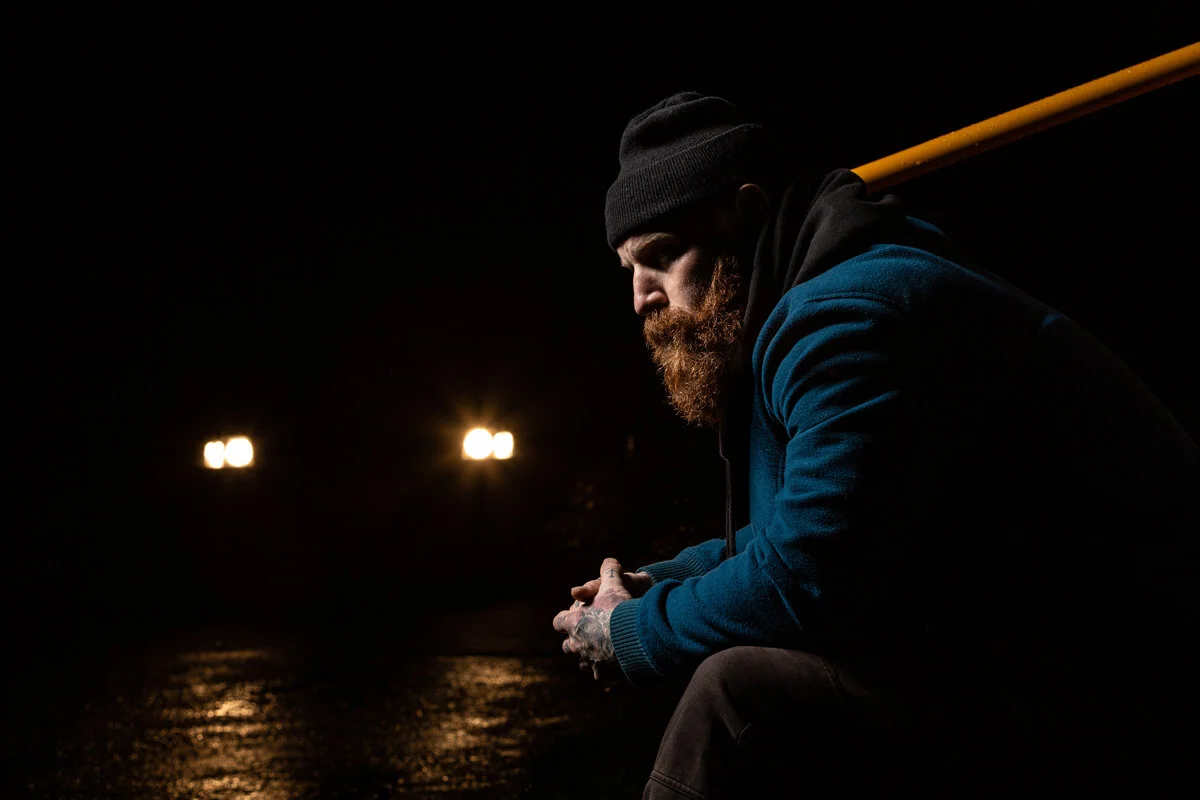
But this one case in particular reminded City Mission Foodbank coordinator Nicola Williamson just how right on the edge some families are living in Christchurch this winter.
“Lots of people won’t skim that close,” she says. “But many people are coming to us for help much later than they probably should. Often that’s because of the shame in asking. They leave it so late that in the end it is too late.”
Even with enhanced Government support for those on the breadline, the Christchurch City Mission faces a huge task this winter to support people facing a bleak time.
Families need for help is being seen right across our food, housing, social work and addiction support services.
This winter will be unlike any other in recent times because of Covid and the flow-on effects.
The Christchurch New Zealand economic development agency estimates that even in the best-case scenario, the city will lose 6% GDP and 9000 jobs. The unbearable worst-case scenario is 30,000 jobs lost.
Many families who are coming to us for help are new to us and we are being approached for help by families who in the past have been our supporters and donors.
These generous people can hardly believe that now they need to ask for help, help that we are so pleased to give them.
It shows how just a few knockbacks in a row can take a family from a comfortable life to a daily struggle for the basics.
Nicola says many families are asking for food after someone has been made redundant. But also affected are many families who survive on casual work – just a couple of days work a week. That work has disappeared but this doesn’t count in the big unemployment figures.
“These families are probably not that surprised to find themselves having to ask for food because they have always lived that tight, but the people who have worked for 30 or 40 years and suddenly find themselves without a job now, yes they are really surprised to apply for benefits and to find how little money they are getting,” Nicola says.
“People often resist applying for a benefit. They wait and wait, hoping, hoping they will get work, then all of a sudden they find they don’t have enough money for food.”
“People are ashamed. They are so ashamed. They say ‘I so don’t want to do this, but I have to’,” Nicola says, when they ask for food.
“You talk to people and they say I haven’t eaten for three days. Or I have only eaten Cup of Soups for three days.”
The City Mission’s Alcohol and Other Drugs services have seen a big jump in referrals, which points to another symptom of the problems facing families.
People suffering from addiction to alcohol and other drugs (AOD) respond badly to stress and isolation and fear. They have faced extra doses of all of this from Covid, the lockdown and the economic pain.
People who were managing their addiction and co existing mental health problems have relapsed. Others who were on the cusp of alcohol and or other drug use becoming a problem have found themselves in crisis.
City Mission AOD service manager Jan Spence says since the beginning of June we have experienced a spike in referrals to our services of 300 percent.
“We were expecting an increase post lock-down, however, these numbers are unprecedented. Many people found the social isolation during COVID 19 unmanageable, resulting in a deterioration in their general health and wellbeing,” she says.
If during this winter we do slide towards the next Great Depression, then at least one positive thing is in place which was missing at the start of the first one 90 years ago.
The City Mission. We were born at the beginning of the first Depression because Christchurch needed us. We are still here and with the City’s help we are ready to look after the hardest-hit families in any future Depression.